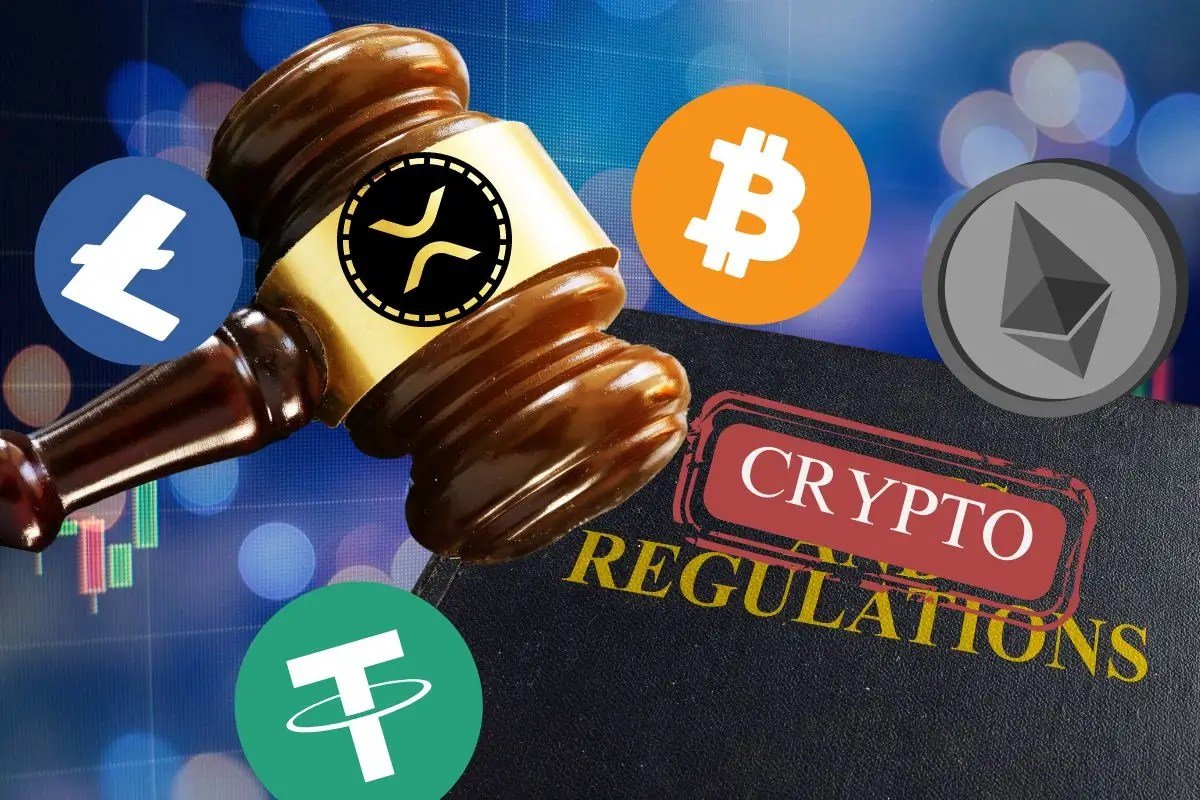
As cryptocurrency grows in popularity, so does the attention it receives from regulatory bodies worldwide.
Various agencies are stepping up efforts. At the forefront are the SEC (Securities and Exchange Commission) and The CFTC (Commodity Futures Trading Commission).
Understanding crypto regulation is crucial for investors, developers, and traders alike. New crypto laws shape the future of digital assets.
In this blog post, we’ll discuss:
- Key aspects of crypto regulation
- The SEC crypto stance
- The Coinbase SEC lawsuit
- The role of regulated crypto exchanges in the evolving landscape
What is Crypto Regulation and Why Does it Matter?
Crypto regulation refers to the legal framework designed to govern the use, trading, and taxation of cryptocurrencies.
These laws are crucial.
They establish standards for protecting investors and prevent fraud. Lastly, they ensure the financial stability of the cryptocurrency ecosystem.
The decentralized nature of cryptocurrency challenges traditional financial systems. Regulators are increasingly focusing on ways to maintain oversight without stifling innovation.
Key regulatory bodies like the SEC and the CFTC are leading the way in crafting guidelines for the industry.
SEC Crypto Regulation
The SEC plays a central role in regulating cryptocurrencies, particularly those deemed as securities. Its primary mission is to protect investors and ensure fair, orderly, and efficient markets.
SEC crypto regulations are primarily focused on initial coin offerings (ICOs). They also focus on token sales and the classification of certain cryptocurrencies as securities.
One of the most talked-about issues in recent years has been the SEC’s classification of some cryptocurrencies. An ongoing example is Ripple’s XRP being classified as a security as claimed by the SEC.
When the case finally went to court, presiding Judge Torres ruled that Ripple acted legally. This was with regard to the sale of XRP to the public through crypto exchanges only.

On the other hand, Ripple was deemed partially in violation of securities laws. This was when it came to the direct sale of XRP to institutions like hedge funds, for example.
Remember that Ripple is distinct from the XRP token. It does not own the blockchain (XRP Ledger) which XRP runs on.
If a token is classified as a security, it must comply with strict SEC crypto-related regulations. These include registration and disclosure requirements.
The Coinbase SEC Battle: What’s at Stake?
Coinbase is one of the largest and most well-known crypto exchanges. It has found itself in a legal battle with the SEC.
The Coinbase SEC lawsuit revolves around whether certain tokens listed on Coinbase are unregistered securities.
This lawsuit could have wide-ranging implications for the entire cryptocurrency industry. It may set precedents for how digital assets are classified and traded in the U.S.
Coinbase argues that many of the assets it lists are commodities, not securities. This classification would place them under the jurisdiction of the CFTC crypto regulations rather than the SEC.
If Coinbase is correct, this would mean that the SEC has no jurisdiction to go after them.
Note that Coinbase is registered as a futures commision merchant (FCM) with the CFTC, not the SEC.
The outcome of this legal battle could significantly shape the future of crypto laws and regulations.
The Role of the CFTC in Crypto Regulation
The CFTC is another key player in the regulation of cryptocurrencies, particularly those classified as commodities, like Bitcoin and Ethereum.
While the SEC focuses on securities, the CFTC oversee derivatives, futures contracts, and trading practices in the crypto space.

The CFTC’s authority extends to ensuring market integrity and preventing manipulation in crypto derivatives markets.
This regulatory body is crucial in maintaining trust in crypto trading by cracking down on fraud and protecting market participants.
Why Regulated Crypto Exchanges Matter
With the rise in popularity of cryptocurrencies, cryptocurrency trading has become more common. Regulated crypto exchanges have become vital.
They ensure a safe and compliant environment for trading digital assets.
These exchanges, like Coinbase, Binance US, and Kraken, must comply with various regulatory frameworks to operate legally within different jurisdictions.
Regulated exchanges provide several advantages, including:
- Investor Protection: By adhering to regulations, these exchanges implement strict security measures, KYC (Know Your Customer) protocols, and insurance against hacks or breaches.
- Transparency: Regulated exchanges offer transparent trading practices, reducing the risk of market manipulation and fraud.
- Legal Compliance: Operating under a legal framework ensures that investors’ rights are protected, and the exchange can continue functioning without the risk of shutdown due to regulatory violations.
In contrast, unregulated exchanges may offer more anonymity or fewer restrictions, but they come with heightened risks.
They are more vulnerable to scams, hacks, and legal actions that could freeze or seize assets.
How Crypto Laws Are Evolving
Crypto regulation is a rapidly evolving field. Governments worldwide are working to develop comprehensive frameworks that address the complexities of digital assets.
In the U.S., regulators are focused on balancing consumer protection with encouraging innovation.

Some recent developments include:
- Stablecoin Regulation: With the rise of stablecoins like Tether and USDC, regulators are creating new rules to ensure that these digital assets are backed appropriately and not used for money laundering or fraud.
- Central Bank Digital Currencies (CBDCs): Governments, including the U.S., are exploring the creation of CBDCs to complement or compete with private cryptocurrencies.
- Taxation of Crypto Assets: Governments are creating rules on how cryptocurrency transactions should be taxed, ensuring that investors report their crypto gains and losses accurately.
International Crypto Regulation Trends
While the U.S. has been a leader in crypto regulation, other countries are also making strides.

For example:
- Europe: The EU has introduced the Markets in Crypto-Assets Regulation (MiCA), which aims to create a uniform regulatory framework for crypto assets across member states.
- China: China has taken a more restrictive approach by banning crypto trading and mining activities. This has led to the rise of underground markets and the exodus of miners to more crypto-friendly countries.
- Japan: Japan was one of the first countries to create a legal framework for cryptocurrency exchanges, requiring them to be registered with the Financial Services Agency (FSA).
Future of Crypto Regulation: What to Expect
As the crypto industry grows, we can expect more clarity in crypto laws and stricter enforcement from bodies like the SEC and CFTC.
Some trends to watch include:
- Stricter AML/KYC Requirements: Governments are likely to increase anti-money laundering (AML) and Know Your Customer (KYC) regulations for all crypto exchanges.
- Regulation of DeFi: Decentralized finance (DeFi) platforms are largely unregulated, but as they grow in popularity, regulators may seek to impose rules similar to those governing traditional financial institutions.
- Institutional Adoption: As more institutional investors enter the crypto space, there will be greater demand for regulatory clarity and compliance, especially regarding custody and insurance of digital assets.
The Road Ahead for Crypto Regulation
Crypto regulation is an essential and evolving aspect of the cryptocurrency ecosystem. As agencies like the SEC and CFTC continue to develop new rules and guidelines, investors and exchanges must stay informed and compliant.

Whether you’re using a regulated crypto exchange like Coinbase or navigating the broader market, understanding the landscape of crypto laws is vital for protecting your assets and staying on the right side of the law.
The ongoing Coinbase SEC lawsuit, the CFTC’s role in commodity-based cryptocurrencies, and the broader push for regulatory clarity are shaping the future of the crypto industry.
Keeping up with these changes will help you make informed decisions and safeguard your investments in this rapidly growing space.
FAQs
1. What is the SEC’s role in crypto regulation?
The SEC primarily focuses on regulating cryptocurrencies that are classified as securities. It enforces registration, compliance, and transparency requirements to protect investors.
2. How does the CFTC regulate crypto?
The CFTC regulates cryptocurrencies that are classified as commodities, such as Bitcoin. It oversees trading practices, derivatives markets, and fraud prevention.
3. What is the significance of the Coinbase SEC lawsuit?
The lawsuit revolves around whether certain tokens listed on Coinbase are unregistered securities. The outcome could set a precedent for how cryptocurrencies are classified and traded in the U.S.
4. Why are regulated crypto exchanges important?
Regulated crypto exchanges offer greater security, transparency, and legal compliance, making them safer for investors than unregulated exchanges.
5. What are the latest trends in crypto regulation?
Current trends include stablecoin regulation, the development of central bank digital currencies (CBDCs), and increased taxation rules for cryptocurrency transactions.

Leave a Reply